
In the quest for fulfilling and enduring relationships, understanding the foundation that supports emotional bonds is crucial. One of the most vital elements in nurturing such bonds is cultivating healthy attachment. This concept goes beyond mere affection or compatibility; it shapes how partners connect, communicate, and grow together over time. For those seeking practical and reliable guidance on building stronger relationships, exploring the dynamics of healthy attachment offers valuable insights and actionable steps.
What Is Healthy Attachment and Why Does It Matter?
Attachment refers to the emotional connection that forms between individuals, often rooted in early life experiences but evolving through adult relationships. Healthy attachment is characterized by trust, security, and mutual support. Unlike insecure attachment styles, which might manifest as anxiety, avoidance, or dependency, healthy attachment enables partners to feel safe and valued while maintaining their individuality.
The importance of developing healthy attachment cannot be overstated. According to research, couples who exhibit secure attachment patterns report higher satisfaction and resilience in their relationships. In fact, studies suggest that secure attachment can reduce conflict frequency by up to 30% and improve conflict resolution effectiveness in 3 to 6 months of focused effort.
How Does Healthy Attachment Influence Relationship Dynamics?
Healthy attachment impacts various aspects of a relationship, including communication, emotional regulation, and intimacy. When partners feel securely attached, they are more likely to:
- Express needs openly: Sharing feelings and desires without fear of rejection.
- Respond empathetically: Providing comfort and understanding during moments of vulnerability.
- Manage conflicts constructively: Approaching disagreements as opportunities for growth rather than threats.
- Maintain autonomy: Balancing closeness with personal boundaries and independence.
For example, consider a couple who regularly practices active listening and validates each other’s emotions. Over time, this creates a feedback loop of trust and safety, reinforcing their healthy attachment and deepening their connection.
Recognizing Signs of Unhealthy Attachment
Before cultivating healthy attachment, it’s important to identify patterns that might hinder relationship success. Common signs include:
- Excessive jealousy or possessiveness
- Fear of abandonment leading to clinginess
- Difficulty trusting or opening up
- Avoidance of emotional intimacy
Addressing these behaviors early can prevent long-term damage and foster a more secure bond.
Practical Steps to Cultivate Healthy Attachments
Building healthy attachment requires intentional effort and self-awareness. Below are proven strategies to help partners develop stronger emotional connections:
1. Foster Open and Honest Communication
Encourage regular conversations about feelings, expectations, and concerns. Use “I” statements to express yourself without blame, such as “I feel…” instead of “You never…” This approach reduces defensiveness and promotes understanding.
2. Build Trust Through Consistency
Reliability is key to feeling secure. Small actions, like keeping promises or being punctual, reinforce trust over time. Partners who demonstrate consistent behavior create a dependable environment where attachment can flourish.
3. Practice Emotional Responsiveness
Responding to your partner’s emotional needs with empathy and validation strengthens attachment. For instance, if your partner is stressed, instead of offering immediate solutions, try acknowledging their feelings: “I can see this is tough for you.”
4. Maintain Healthy Boundaries
While closeness is vital, respecting personal space and individuality is equally important. Healthy attachment thrives when both partners feel free to pursue their interests and friendships outside the relationship.
5. Engage in Shared Activities
Spending quality time together through hobbies, exercise, or even daily routines enhances connection. Shared experiences build memories and reinforce the partnership’s emotional foundation.
Mini Case Study: From Insecurity to Secure Attachment
Consider Sarah and James, who struggled with frequent misunderstandings and emotional distance. Sarah often felt anxious about James’ commitment, while James withdrew to avoid conflict. After attending couples therapy focused on attachment styles, they learned to recognize their fears and communicate more openly.
Over six months, they practiced daily check-ins and set mutual goals for emotional support. As a result, their trust increased, conflicts decreased, and their bond deepened. Their experience highlights that cultivating healthy attachment is a journey, not an instant fix.
Common Myths About Attachment You Should Ignore
- Attachment means losing independence: Healthy attachment actually encourages personal growth within a supportive relationship.
- Attachment is fixed and unchangeable: Adult attachment styles can evolve with conscious effort and positive experiences.
- Only childhood experiences determine attachment: While early life influences are significant, adult relationships have the power to reshape attachment patterns.
How Can You Start Cultivating Healthy Attachment Today?
Begin by reflecting on your current relationship patterns. Ask yourself:
- Do I feel safe and supported with my partner?
- Can I express my feelings without fear?
- How do we handle conflicts?
Use your answers to identify areas for improvement. Then, implement the strategies discussed, such as enhancing communication and building trust.
Remember, cultivating healthy attachment is an ongoing process that requires patience and commitment from both partners. When nurtured properly, it becomes the key to lasting, fulfilling relationships that withstand challenges and grow stronger over time.
Conclusion
Healthy attachment forms the backbone of enduring relationships by fostering trust, emotional safety, and mutual respect. Understanding its principles and actively working to cultivate secure bonds can transform how partners relate and thrive together. Whether you’re starting a new relationship or seeking to strengthen an existing one, focusing on healthy attachment offers a practical and evidence-based path to lasting connection.
Take action today: Start conversations, practice empathy, and build trust step by step. Your relationship deserves the foundation that only healthy attachment can provide.

Transform Your Space: 10 Easy DIY Projects for a Stylish Home

Transform Your Outdoor Oasis: Patio Ideas for Every Season

Transforming Spaces: Essential Home Renovation Tips That Last

Green Home Ideas to Create an Eco-Friendly Sanctuary

Effective Composting Techniques to Transform Your Garden

The Journey of Healing: Moving Forward After Heartbreak

Red Flags in Relationships: 10 Warning Signs to Watch For

Breadcrumbing in Dating: How It Affects Emotional Well-Being
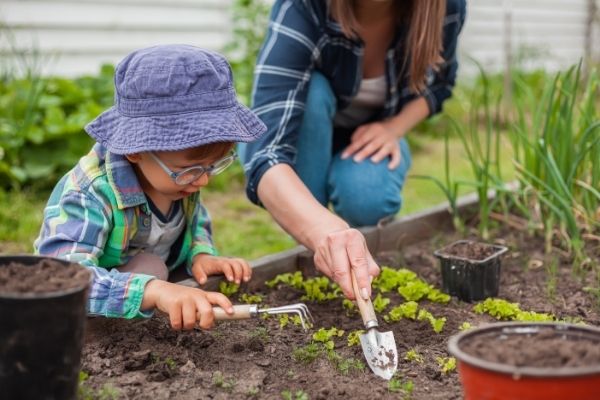
Cultivating Healthy Attachments: The Key to Lasting Relationships