
Creating an eco-friendly living space is more than just a trend—it’s a meaningful commitment to sustainability and well-being. Innovative green home ideas empower you to transform your space into a sanctuary that not only reduces your environmental footprint but also promotes healthier living. In this article, you’ll discover practical, science-backed strategies and creative solutions to make your home greener, more energy-efficient, and deeply connected with nature.
Why Prioritize Green Home Ideas?
Modern lifestyles often strain natural resources, contributing to pollution and climate change. By adopting green home ideas, you:
- Reduce energy and water consumption, saving on utility bills.
- Improve indoor air quality, enhancing health and comfort.
- Support biodiversity and reduce waste.
- Create a serene, natural environment that fosters well-being.
Whether you own a small apartment or a large house, these ideas can be adapted to fit any space or budget.
How Can You Make Your Home More Eco-Friendly?
Start by assessing your current energy and resource use. Simple changes can yield significant results:
1. Optimize Natural Light and Ventilation
Maximizing daylight reduces the need for artificial lighting. Consider these steps:
- Install large, energy-efficient windows with double or triple glazing to retain heat.
- Use light-colored walls and reflective surfaces to amplify natural light.
- Incorporate skylights or solar tubes in darker areas.
- Design your space for cross-ventilation to reduce reliance on air conditioning.
For example, a homeowner in Portland revamped their living room with south-facing windows and saw a 15% reduction in electricity use during winter months.
2. Invest in Renewable Energy Solutions
Solar panels are the most popular green energy upgrade. They:
- Generate clean electricity that lowers your carbon footprint.
- Can reduce electricity bills by 20-50% depending on system size and sunlight availability.
- Increase home value and may qualify for tax credits or incentives.
If upfront costs are a concern, consider community solar programs or leasing options.
3. Use Sustainable Building and Decorating Materials
When renovating or decorating, select materials with low environmental impact:
- Bamboo flooring: Fast-growing and durable alternative to hardwood.
- Recycled metal and glass: Reduce landfill waste and energy consumption.
- Low-VOC paints: Minimize harmful indoor air pollutants.
- Reclaimed wood: Adds character while saving trees.
Many eco-conscious homeowners report a noticeable improvement in indoor air quality after switching to low-VOC products.
4. Implement Water-Efficient Fixtures and Practices
Water conservation is crucial. Consider:
- Installing low-flow showerheads and faucets, saving up to 30% of water usage.
- Using dual-flush or composting toilets.
- Harvesting rainwater for irrigation or non-potable uses.
- Incorporating drought-resistant native plants in landscaping.
A family in Arizona reduced their water consumption by 40% after installing rain barrels and xeriscaping their yard.
5. Embrace Smart Home Technology
Smart devices optimize energy use by adapting to your lifestyle:
- Programmable thermostats: Adjust temperatures automatically, saving up to 10% on heating and cooling.
- Smart lighting systems: Turn off lights when rooms are unoccupied.
- Energy monitoring apps: Provide real-time feedback on consumption patterns.
These technologies make sustainable living effortless and efficient.
What Are Some Creative Green Home Ideas for Interior Spaces?
Beyond functionality, green homes embrace aesthetics and wellness:
1. Indoor Plants for Air Purification
Plants like spider plants, peace lilies, and snake plants absorb toxins and increase humidity. Place them in living rooms, bedrooms, or offices for a natural air filter. A study by NASA found that certain houseplants can remove up to 87% of indoor air toxins in 24 hours.
2. Upcycled and Multifunctional Furniture
Furniture made from reclaimed materials or designed for multiple uses (e.g., sofa beds, storage ottomans) reduces waste and clutter while saving space. For instance, a modular shelving unit built from repurposed pallets can provide storage while adding rustic charm.
3. Natural Textiles and Bedding
Choose organic cotton, hemp, or linen for curtains, rugs, and bedding. These materials require less pesticide use and are biodegradable. Switching to organic bedding can also reduce allergens and chemical exposure.
How Does Landscaping Enhance a Green Home?
Outdoor spaces are integral to sustainability:
1. Create a Pollinator-Friendly Garden
Plant native flowers and shrubs that attract bees, butterflies, and birds. This supports local ecosystems and promotes biodiversity.
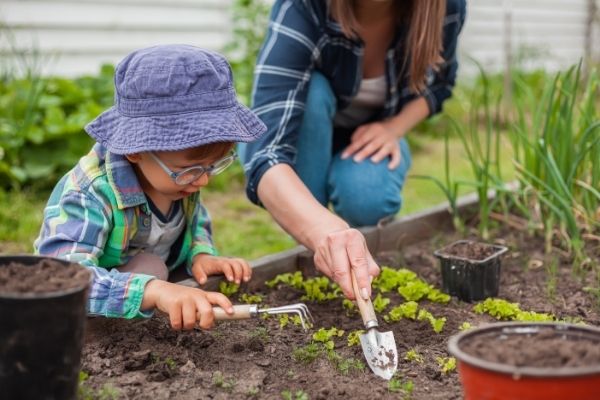
2. Incorporate Edible Gardens
Growing your own herbs, vegetables, and fruits reduces food miles and packaging waste. Even a small balcony can host a thriving herb garden.
3. Use Permeable Surfaces
Replacing concrete with permeable pavers or gravel improves groundwater recharge and reduces runoff, preventing erosion.
| Green Home Feature | Benefits | Estimated Savings |
|---|---|---|
| Solar Panels | Clean energy, lower bills | 20-50% reduction in electricity costs |
| Low-Flow Fixtures | Water conservation | Up to 30% reduction in water use |
| Programmable Thermostat | Energy efficiency | Up to 10% savings on heating/cooling |
| Indoor Plants | Air purification, aesthetics | Improves air quality by up to 87% (toxin removal) |
What Are the First Steps to Implement These Green Home Ideas?
Embarking on your green home journey can feel overwhelming. Here’s a step-by-step approach:
- Conduct an energy and water audit: Identify areas with the most waste.
- Set a budget and timeline: Prioritize upgrades with the biggest impact.
- Start small: Replace bulbs with LEDs, add plants, or switch to low-flow faucets.
- Plan major renovations wisely: Consult with green building experts for insulation, solar, or remodeling.
- Track progress: Monitor utility bills and indoor environment quality.
Conclusion
Innovative green home ideas offer a powerful way to live more sustainably while enhancing comfort and style. From smart technologies to natural materials and water-saving measures, each step transforms your home into an eco-friendly sanctuary. By taking deliberate, informed actions, you not only reduce environmental impact but also create a healthier, more enjoyable living space for you and your family.
Ready to make your home greener? Start today by choosing one or two changes and watch your eco-friendly sanctuary grow. Small steps lead to lasting impact.
Transform Your Space: 10 Easy DIY Projects for a Stylish Home
Transform Your Outdoor Oasis: Patio Ideas for Every Season
Transforming Spaces: Essential Home Renovation Tips That Last
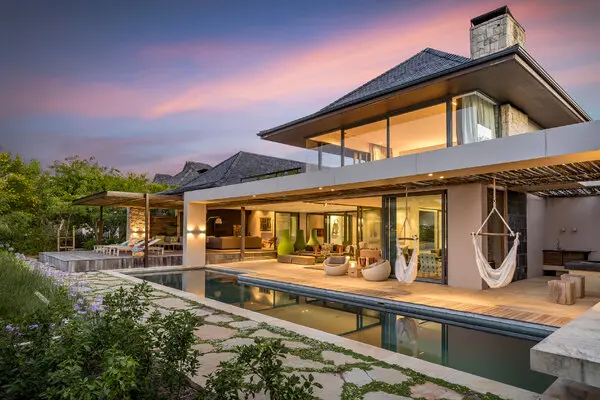
Green Home Ideas to Create an Eco-Friendly Sanctuary

Effective Composting Techniques to Transform Your Garden

The Journey of Healing: Moving Forward After Heartbreak

Red Flags in Relationships: 10 Warning Signs to Watch For

Breadcrumbing in Dating: How It Affects Emotional Well-Being
Cultivating Healthy Attachments: The Key to Lasting Relationships