
Transforming your garden into a lush, thriving paradise often begins beneath the soil. One of the most effective, sustainable, and rewarding ways to enhance your garden’s health is through composting. Composting not only reduces waste but also enriches the soil, helping plants grow stronger and more resilient. In this comprehensive guide, you will discover practical and reliable composting techniques designed to boost your garden’s vitality and foster a greener lifestyle.
Why Is Composting Essential for Thriving Plants?
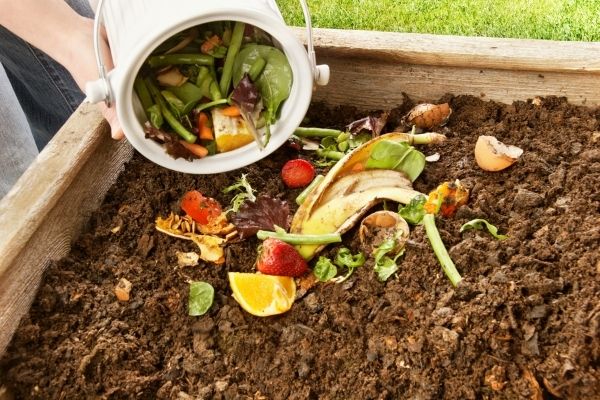
Composting is the natural process of recycling organic matter, such as kitchen scraps and garden waste, into nutrient-rich humus that plants love. This process improves soil structure, increases moisture retention, and promotes beneficial microbial activity. For gardeners aiming to grow healthy plants, understanding composting is fundamental.
By adding compost to your garden beds, you supply your plants with a balanced mix of nutrients, reduce the need for chemical fertilizers, and encourage sustainable gardening practices. Additionally, composting helps divert waste from landfills, making it an eco-friendly choice for environmentally conscious gardeners.
What Are the Basic Types of Composting?
Before diving into techniques, it’s important to recognize the main composting methods:
- Traditional (Cold) Composting: This involves piling organic waste and letting it decompose naturally over time, usually 6 to 12 months.
- Hot Composting: A faster process where the pile is actively managed to keep temperatures between 55-65°C (131-149°F), breaking down materials in as little as 3 to 6 months.
- Vermicomposting: Uses worms, typically red wigglers, to consume organic waste and produce nutrient-dense worm castings.
- Trench Composting: Organic matter is buried directly in garden trenches, decomposing in place over several months.
Each method suits different lifestyles and garden sizes, and understanding their differences helps you choose the best fit.
How to Start Composting: Step-by-Step Guide
Starting composting can seem daunting, but by following these clear steps, you’ll be on your way to a thriving garden soil.
1. Choose the Right Location and Container
Select a well-drained, shaded spot near your garden for easy access. Compost bins come in various forms — from simple piles to enclosed tumblers. Enclosed bins retain heat better and prevent pests, while open piles are easier to manage for larger gardens.
2. Gather and Balance Your Compost Materials
Compost needs a balance between “green” nitrogen-rich materials and “brown” carbon-rich materials. A good rule of thumb is a ratio of about 3 parts brown to 1 part green. Here’s a practical breakdown:
| Material Type | Examples | Role |
|---|---|---|
| Green Materials | Vegetable scraps, coffee grounds, fresh grass clippings | Provide nitrogen to fuel microbial activity |
| Brown Materials | Dry leaves, straw, cardboard, sawdust | Provide carbon and structure to the pile |
3. Build Your Compost Pile
Start with a layer of coarse brown materials to improve aeration. Alternate green and brown layers, keeping the pile moist but not soggy—similar to a wrung-out sponge. Aim for a pile size of at least 1 cubic meter (about 3x3x3 feet) to retain heat.
4. Maintain Your Compost
Turn the pile every 1 to 2 weeks to aerate and speed decomposition, especially for hot composting. Monitor moisture levels and add water or dry materials accordingly. Hot composting requires close temperature monitoring to keep microbes active.
5. Know When Your Compost Is Ready
Finished compost is dark, crumbly, and earthy-smelling, usually ready in 3 to 6 months for hot composting and 6 to 12 months for cold composting. If you can still identify original materials, it needs more time.
What Are Common Composting Challenges and How to Solve Them?
Even experienced gardeners face issues. Here are some typical problems and practical solutions:
- Foul odor: Usually caused by too much green material or poor aeration. Fix by adding brown materials and turning the pile.
- Slow decomposition: May result from a dry pile, too much brown material, or cold temperatures. Add water, more green material, and insulate the pile if needed.
- Pests: Avoid adding meat, dairy, or oily foods. Use a covered bin or bury scraps deeper in the pile.
How Does Vermicomposting Enhance Your Garden?
Vermicomposting uses worms to transform organic waste into nutrient-rich worm castings, a highly beneficial soil amendment. This method is ideal for small spaces or indoor gardening.
To start, use a worm bin with bedding like shredded newspaper and add food scraps in moderation. Maintain temperature between 15-25°C (59-77°F) and keep moisture levels consistent. Worm castings improve soil aeration, water retention, and nutrient availability much faster than traditional compost.
Can You Use Compost for All Plants?
Compost is versatile and can benefit most plants, including vegetables, flowers, shrubs, and trees. However, it’s best used as a soil amendment or mulch rather than a standalone growing medium. Mixing compost with native soil improves texture and fertility.
For seed starting or delicate seedlings, use well-aged compost to avoid pathogen risk and ensure a balanced nutrient supply. Applying 2 to 5 cm (about 1 to 2 inches) of compost as mulch around plants helps retain moisture and suppress weeds.
Real-Life Success: A Mini Case Study
Consider a suburban gardener who transformed a patchy lawn into a flourishing vegetable garden within one growing season by adopting composting. By collecting kitchen scraps and yard waste, maintaining a hot compost pile, and applying finished compost monthly, they increased soil organic matter by approximately 10% and saw a 20% yield increase in tomatoes and peppers.
This example highlights how composting can deliver measurable improvements in soil health and plant performance.
Final Tips for Effective Composting
- Keep your compost pile balanced, moist, and aerated for optimal results.
- Use a compost thermometer to monitor temperature for hot composting.
- Be patient—quality compost takes time but rewards your garden immensely.
- Experiment with different methods to find what suits your garden and lifestyle best.
- Always chop or shred larger materials to speed up decomposition.
Conclusion: Ready to Transform Your Garden?
Effective composting is a cornerstone of thriving gardens, providing a natural, cost-effective way to improve soil and nurture plants. By understanding and applying the techniques outlined here, you can turn everyday organic waste into a powerful resource that promotes healthy growth and sustainability.
Start small, stay consistent, and watch your garden flourish season after season. Take the first step today—set up your compost system, gather your materials, and embrace the journey to a greener, more vibrant garden.

Transform Your Space: 10 Easy DIY Projects for a Stylish Home

Transform Your Outdoor Oasis: Patio Ideas for Every Season

Transforming Spaces: Essential Home Renovation Tips That Last

Green Home Ideas to Create an Eco-Friendly Sanctuary
Effective Composting Techniques to Transform Your Garden

The Journey of Healing: Moving Forward After Heartbreak

Red Flags in Relationships: 10 Warning Signs to Watch For

Breadcrumbing in Dating: How It Affects Emotional Well-Being
Cultivating Healthy Attachments: The Key to Lasting Relationships